
Kenya
Kenya, a captivating country in East Africa, is renowned worldwide for its incredible natural beauty and diverse cultural heritage, making it an exceptional tourist attraction. From breathtaking landscapes to abundant wildlife, Kenya offers a wealth of experiences that leave visitors in awe.
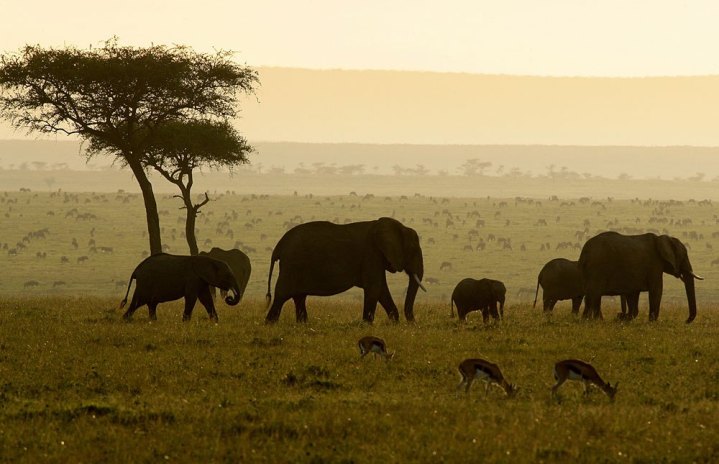
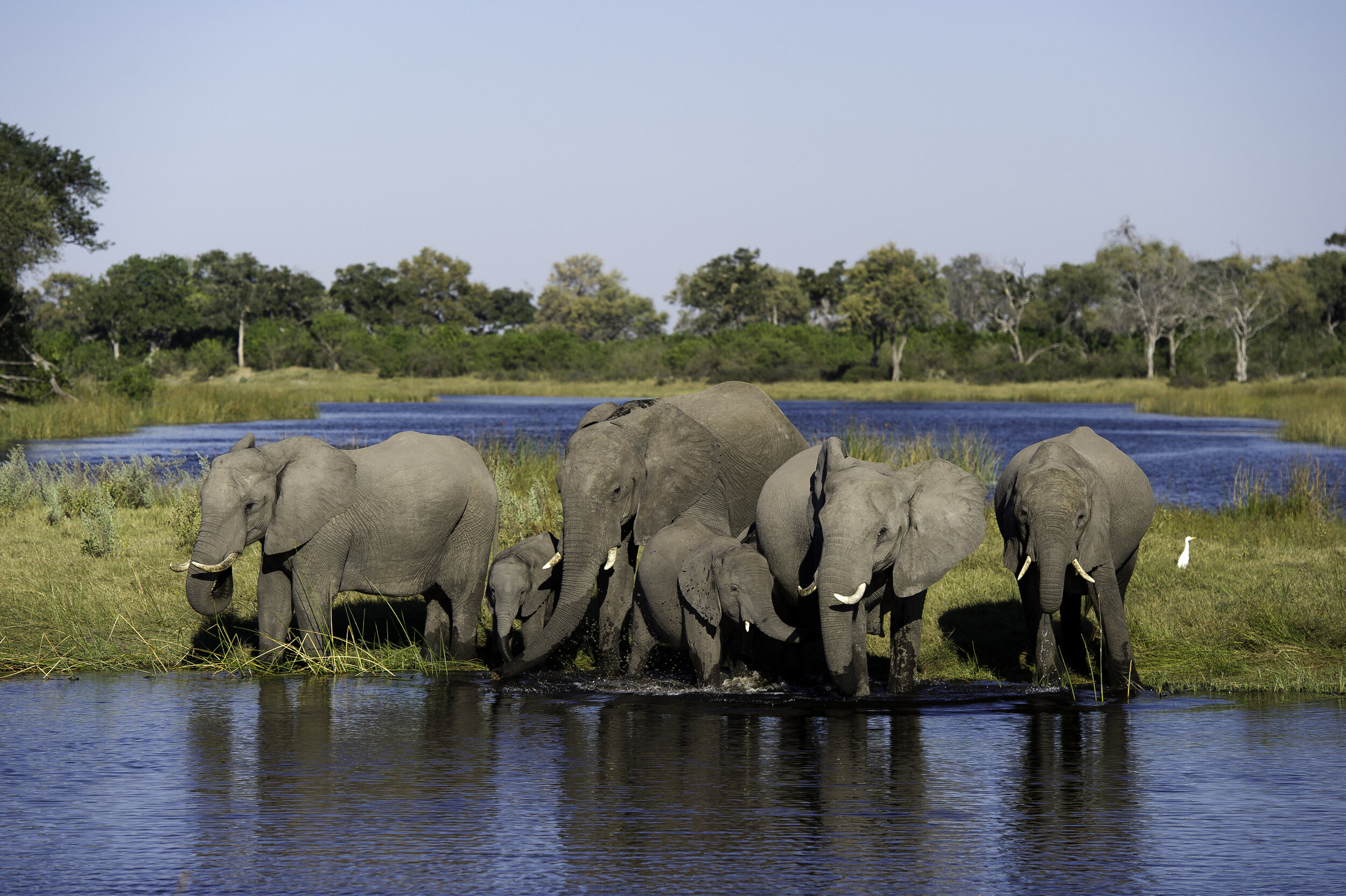
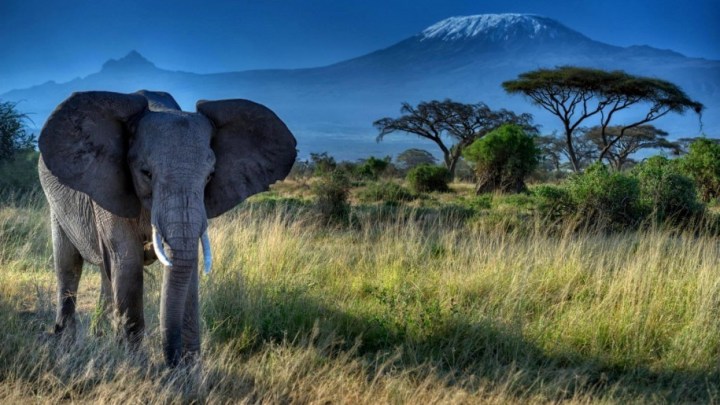
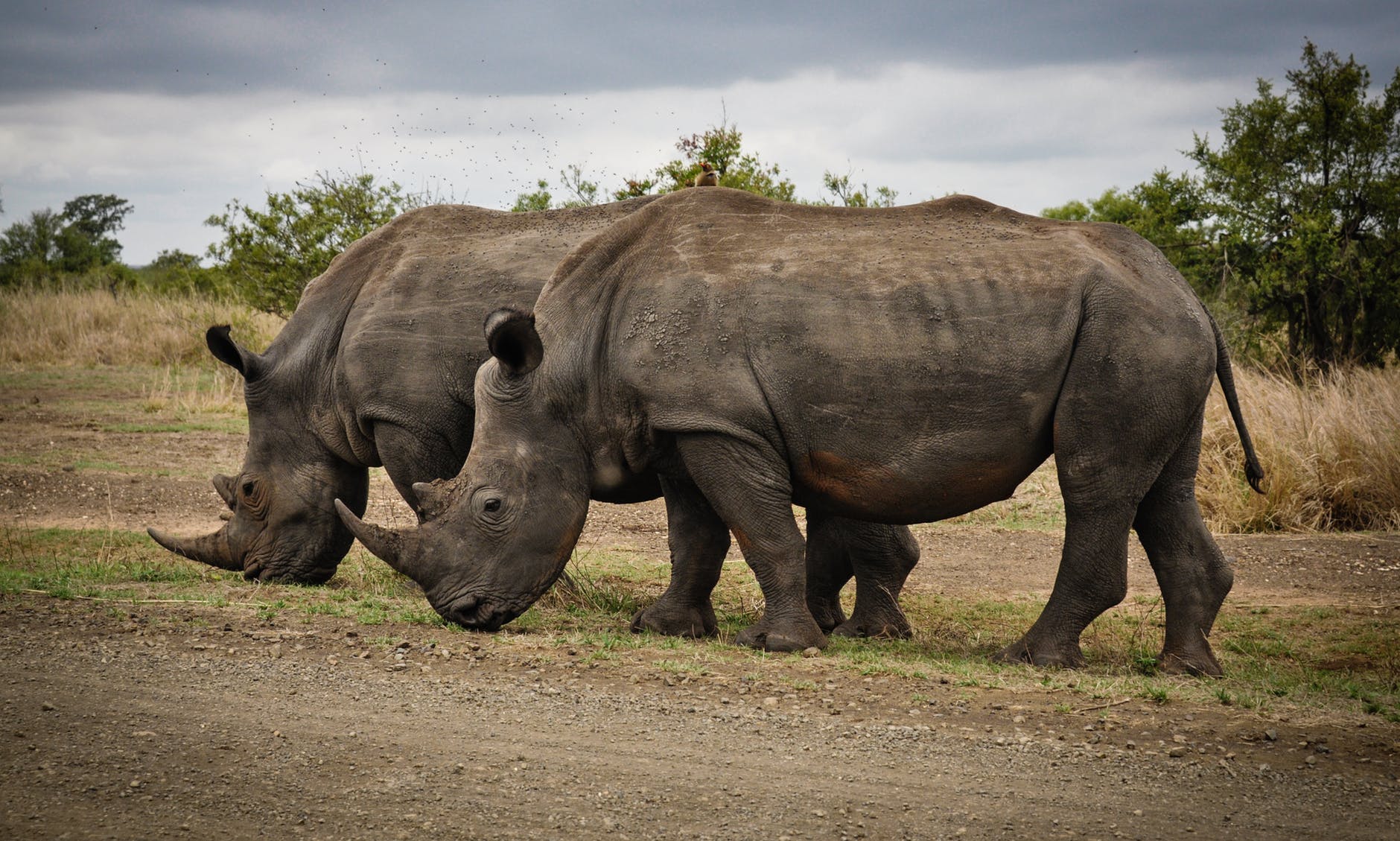
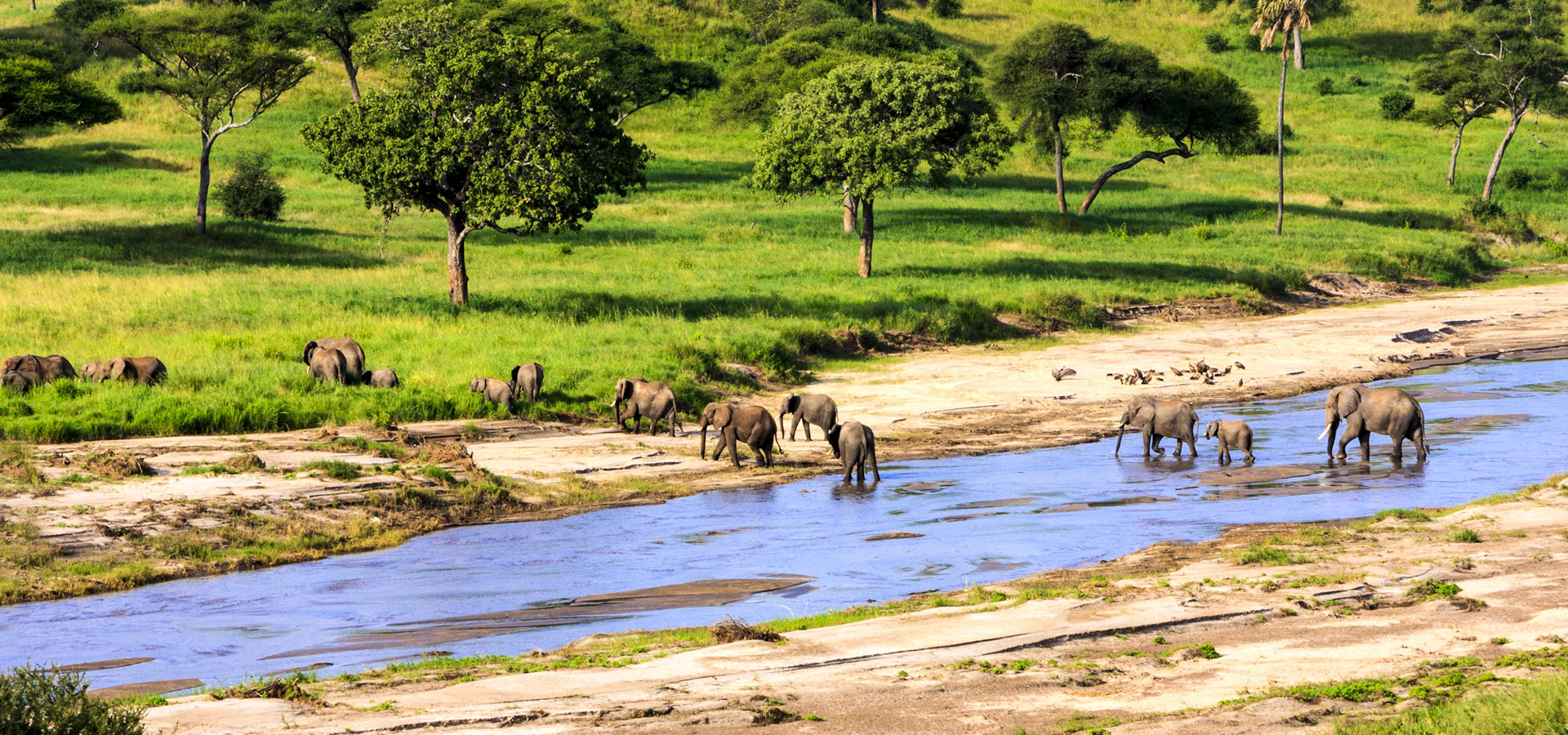
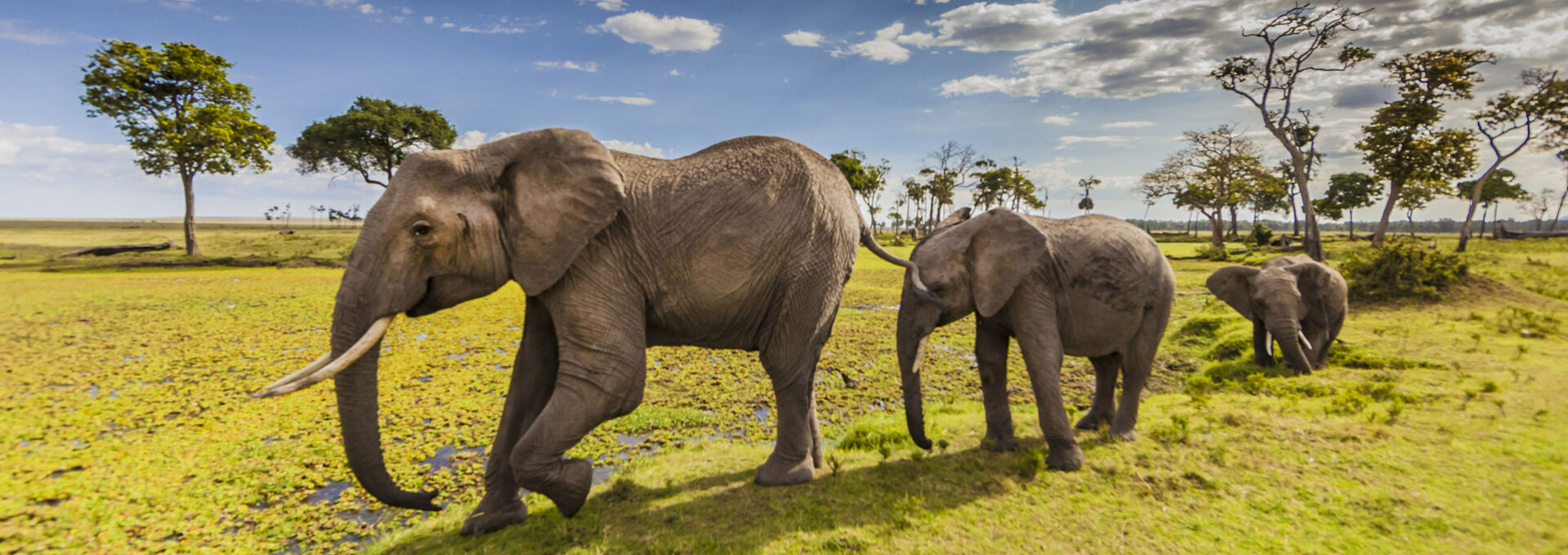
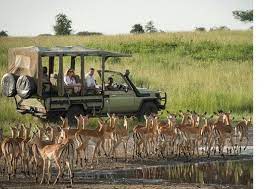
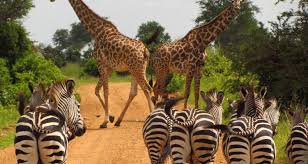
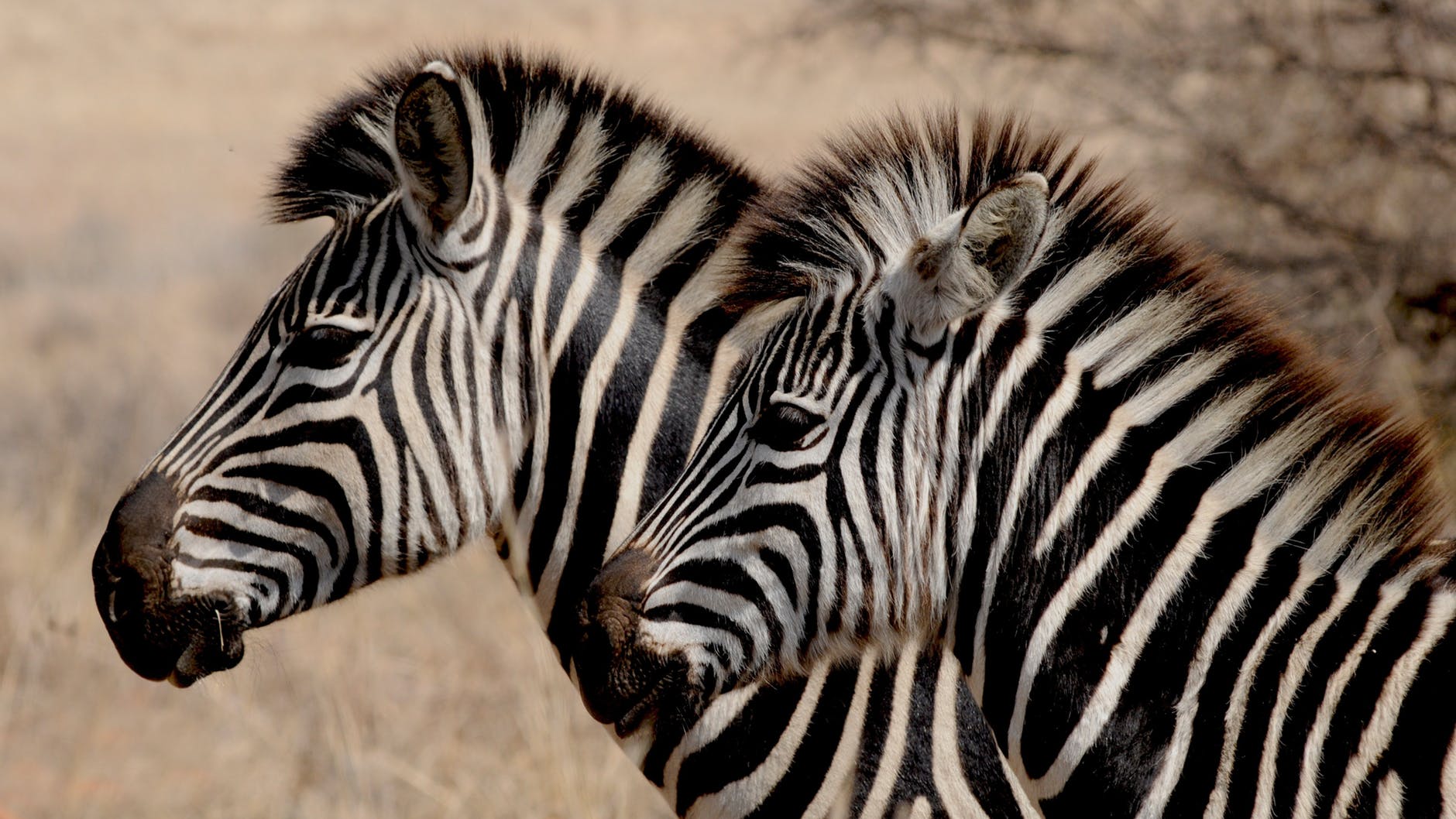
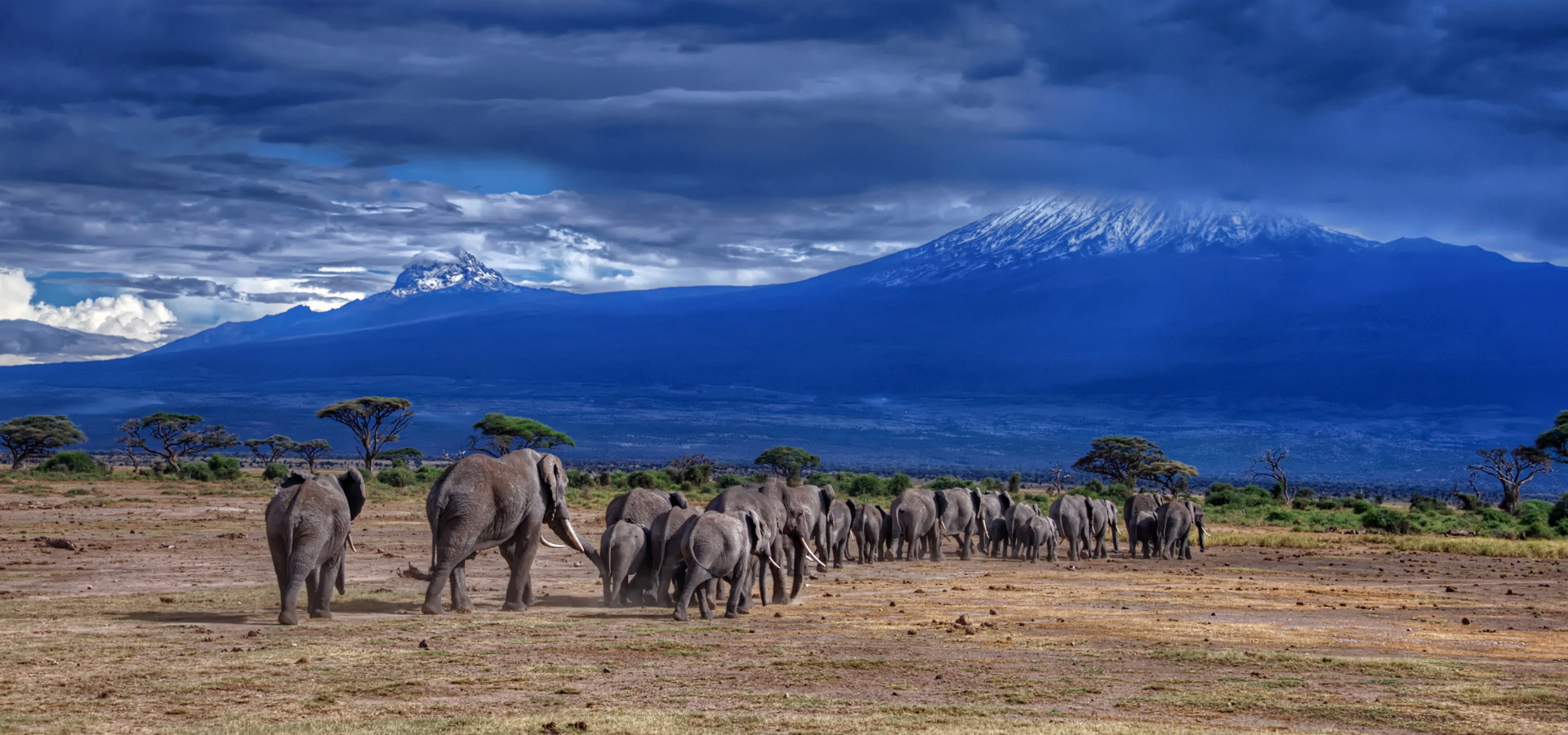
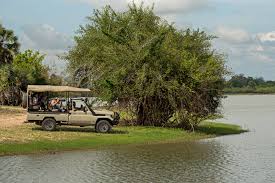
One of the major draws of Kenya is its spectacular wildlife. The country is home to numerous national parks and game reserves, such as the Maasai Mara, Amboseli, and Tsavo, where visitors can witness the iconic “Big Five” – lions, elephants, buffalos, leopards, and rhinoceros. Embarking on a safari adventure allows travelers to observe these majestic animals in their natural habitats, creating lifelong memories.
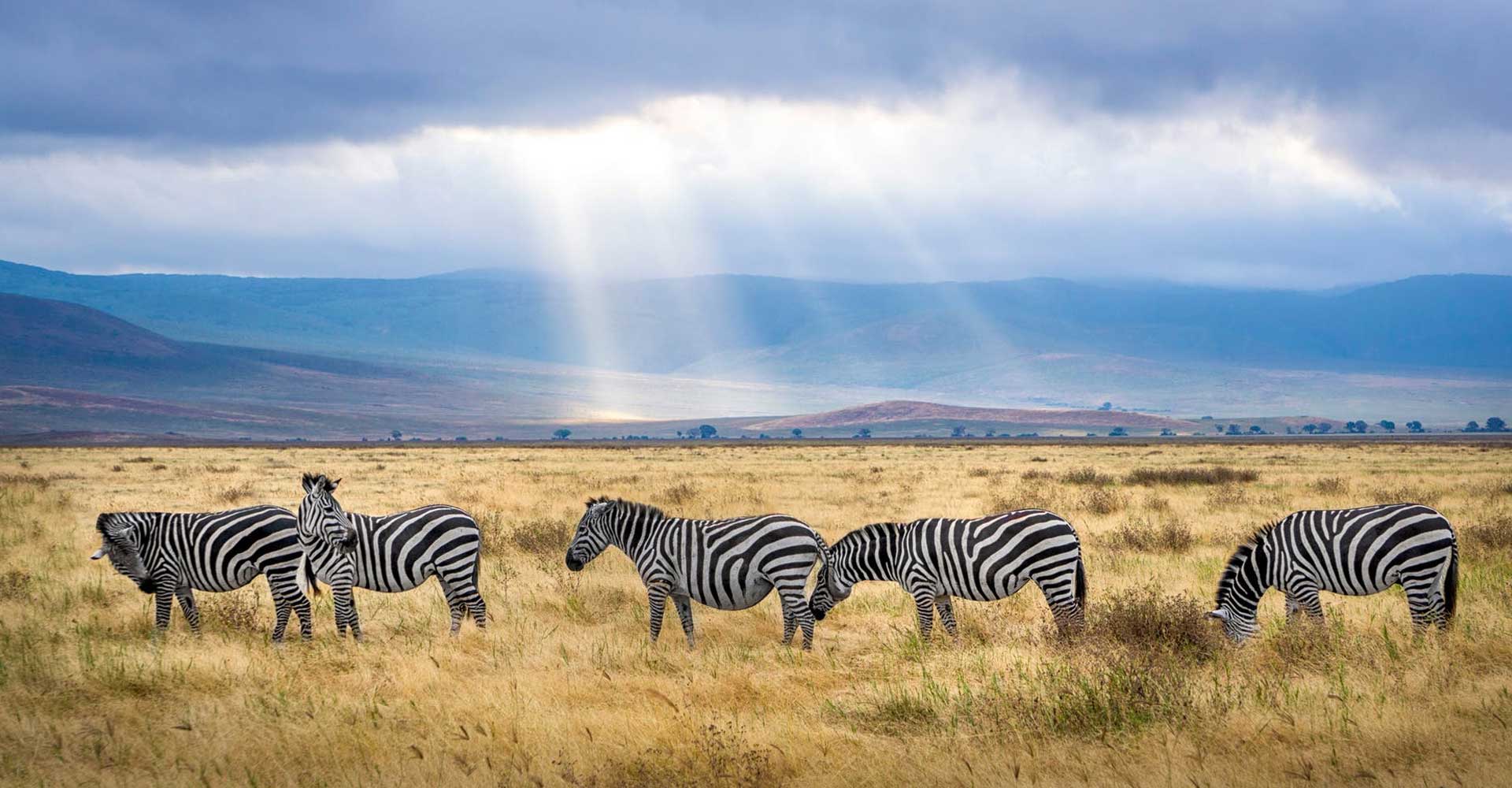
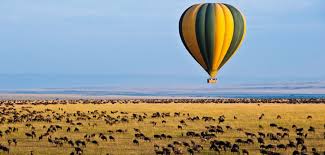
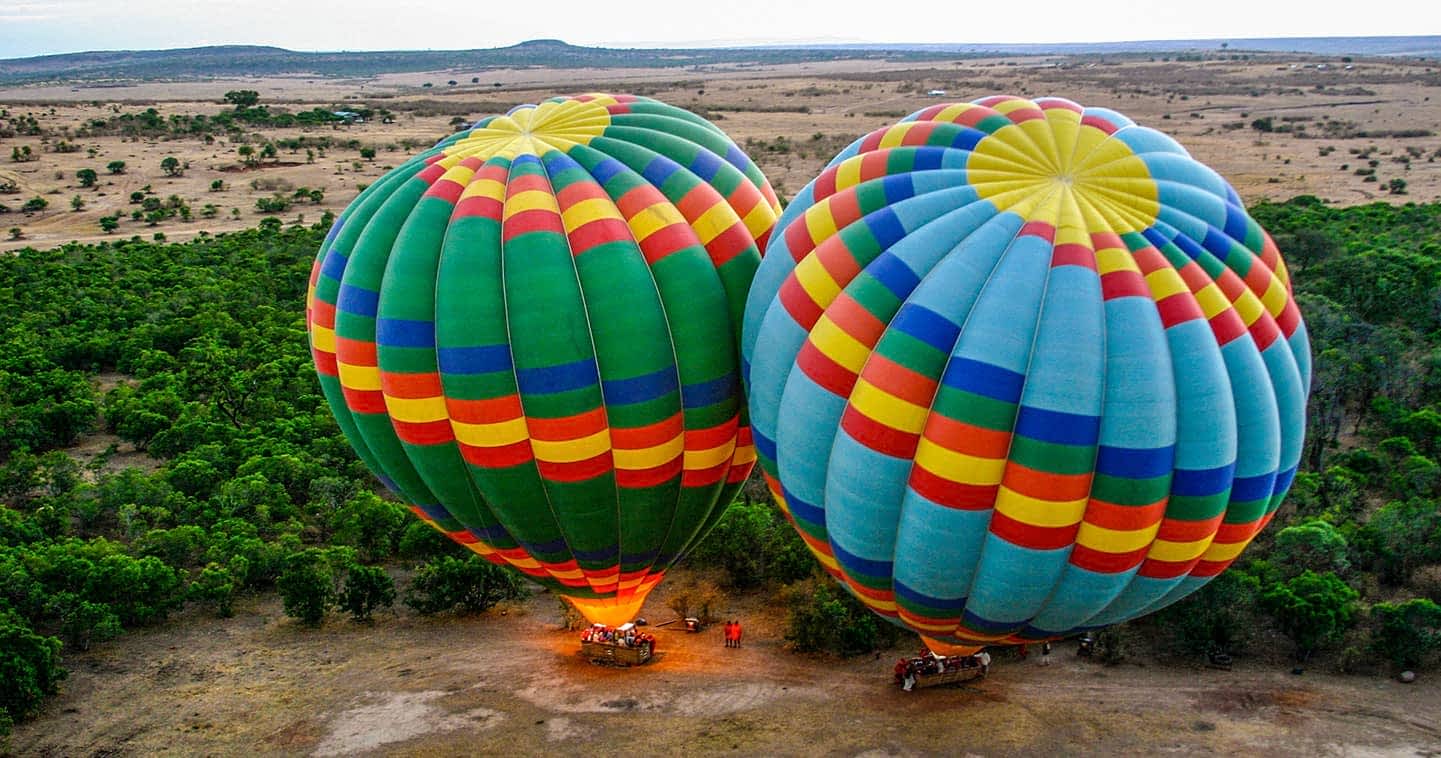
Beyond the wildlife, Kenya boasts stunning landscapes that showcase the country’s natural diversity. From the vast savannahs of the Maasai Mara to the snow-capped peaks of Mount Kenya and the picturesque Rift Valley, the scenery is nothing short of breathtaking. Visitors can explore these varied landscapes through hiking, hot air balloon rides, or simply soaking in the mesmerizing views.
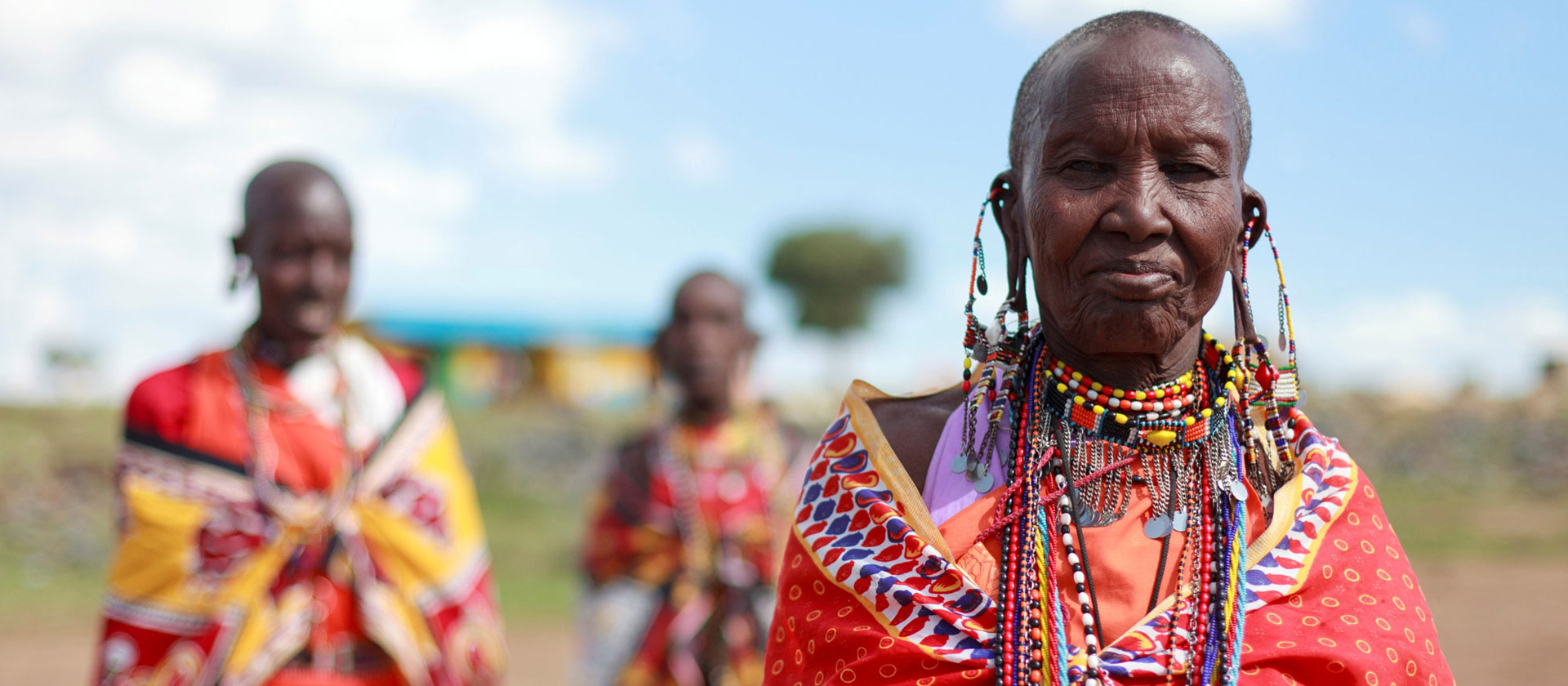
Kenya’s rich cultural heritage is another captivating aspect that entices tourists. The country is home to numerous ethnic groups, each with its own distinct traditions, music, dance, and craftsmanship. Engaging with local communities, such as the Maasai and Samburu, provides a unique opportunity to learn about their way of life, participate in cultural activities, and support sustainable tourism initiatives.
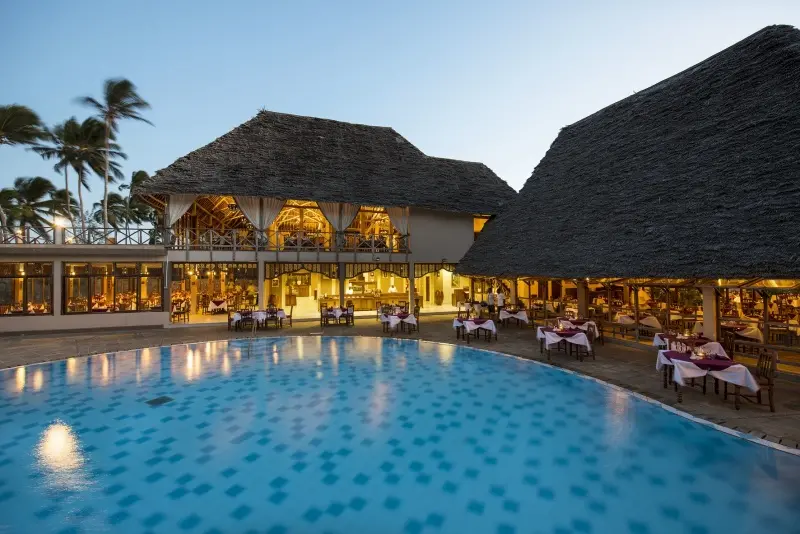
For beach lovers, Kenya’s coastline along the Indian Ocean offers pristine white sandy beaches and turquoise waters. Destinations like Diani Beach and Lamu Island provide the perfect setting for relaxation, water sports, and exploring Swahili architecture and culture.
In addition, Kenya’s capital city, Nairobi, offers a vibrant urban experience with its bustling markets, museums, and vibrant nightlife. The city serves as a gateway to various attractions, including the Nairobi National Park, where visitors can witness wildlife against the backdrop of a modern city skyline.
Beach Experience








 Easy
2-7 People
Easy
2-7 People
Birding

City Tour





Game Drive








Golfing


Hot Air Balloon

 Easy
Easy
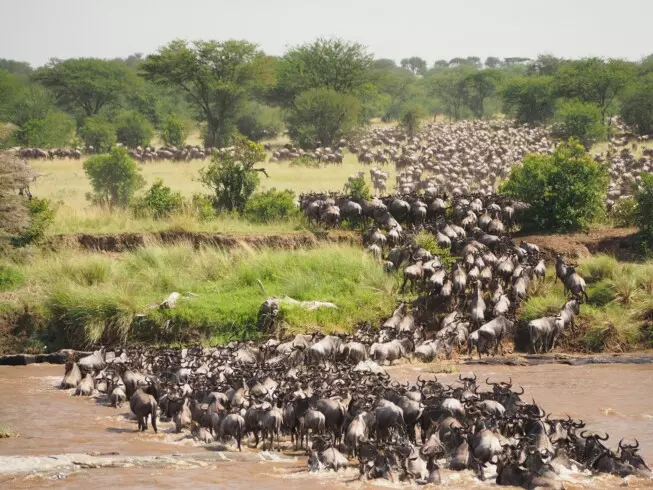
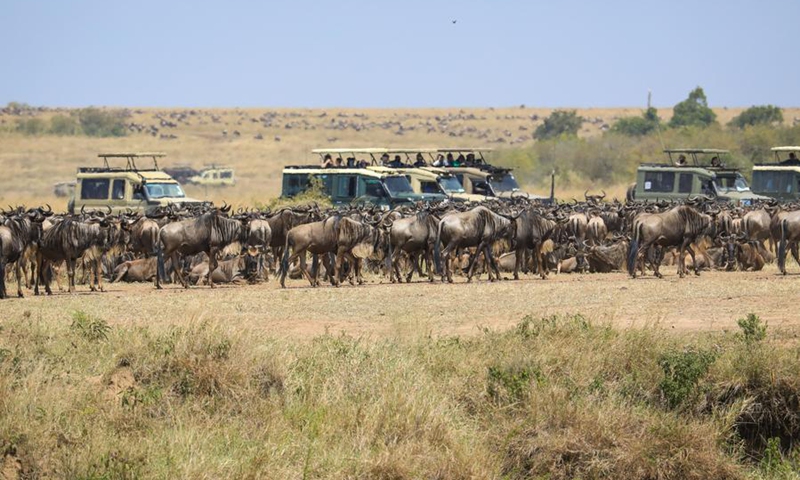
Mara Migration Kenya
Easy
 Easy
2-6 People
Easy
2-6 People
Mara Migration Tanzania
Easy
2-6 People
Easy
2-7 People
Mountain Climbing
A climbing peak may refer to a mountain or hill peak or a rock formation that has to be ascended by climbing. The term is common in Germany where it is specifically used of free-standing rock formations in the climbing regions of Saxon Switzerland, Zittau Mountains and other nearby ranges in the German Central Uplands that can only be summitted via climbing routes of at least grade I on the UIAA scale or by jumping from nearby rocks or massifs. As a general rule, they must have a topographic prominence of at least 10 metres to qualify. In Saxon Switzerland the Saxon Climbing Regulations do not require any minimum height, but define climbing peaks as
Another requirement is its recognition by the responsible sub-committee of the Saxon Climbers’ Federation (SBB) and the responsible conservation authorities. For hikers these authorized summits may often be recognised by the presence of a summit register and abseiling anchor points.
In other climbing areas, such as those in Bohemian Switzerland, there are other exceptions. There, climbing peaks only need to have a significant rock face – the lowest side of which has to be less than 10 m high, but at least 6 m high.
